How to Build Multi-language Websites for International Audiences
Why multilingual website design matters for international growth
Multilingual web design is no longer a niche tactic; it is a key expansion strategy for brands that want to connect with global audiences without sacrificing simplicity, trust, or efficiency. A website that speaks a visitor’s language does more than translate words. It strengthens user experience, lowers resistance, and supports higher conversion rates by helping people comprehend your offer faster and with more confidence.
For companies building a global presence, language is closely tied to perception. Visitors judge professionalism by how well the website reflects their region, language preferences, and expectations. That is why multilingual experiences often boost brand trust. When content feels local and intuitive, people stay longer, explore more, and are more prone to take the next step.
Multilingual planning also supports scalability. As businesses expand into new markets, the right structure makes it easier to localize future pages, maintain brand consistency, and manage a growing content strategy. This matters whether you are a SaaS company, an exporter, or a local service provider with international leads.
A well-designed multilingual site is not just translated; it is engineered for usability, participation, and local relevance across every market you serve.
How web design and search engine optimization services support one another
Well-built multilingual websites require far more than attractive layouts. They depend on a strategic partnership between web design and SEO services. The design process controls how content is organized, how users move through the site, and how messages are presented. SEO ensures the pages can be discovered, interpreted, and ranked correctly in search engines.
That relationship starts with site architecture. A multilingual site should group languages and regions in a way that supports crawlability, simple navigation, and clear signals for search engines. If the structure is confusing, search bots may struggle with indexing, and visitors may struggle with navigation. Each of these problems hurt search visibility and weaken ranking signals.
Effective design choices also influence SEO performance. Responsive layouts, fast load times, readable typography, and clear calls to action improve performance and reduce bounce rates. Meanwhile, SEO services help align page copy with search intent in each language, which is essential for reaching relevant audiences in different markets.
When site design and search engine optimization services are built together from the beginning, multilingual sites can support improved lead generation, stronger engagement, and more efficient growth across multiple regions.
Selecting linguistic options and regions to target first
Not every locale needs to launch all at the same time. Strategic expansion starts with market analysis and a clear-eyed view of where opportunity already exists. Businesses should assess current traffic sources, customer demand, sales goals, and support capacity before selecting language priorities. This is where buyer personas become essential, because they reveal who the audience is, what they need, and how they search.
Prioritization should also account for localization potential. Some markets may require more than direct translation because the product, pricing, compliance language, or service model needs adjustment. For global expansion, international SEO helps identify which countries and language combinations deserve the most attention based on demand, competition, and business fit.
A practical approach is to segment audiences by geography, intent, and buying stage. That makes it easier to decide whether to create a full localized experience or begin with a smaller set of high-value pages. Strong audience segmentation also improves personalization, because users from different regions often respond to different proof points, terminology, and offers.
For Central New York businesses, this decision can be especially strategic. A Syracuse-based company may first target Upstate New York or Northeast regional customers, then expand to broader U.S. or international audiences once the content and operations are ready.
Technical fundamentals for setting up a multilingual site
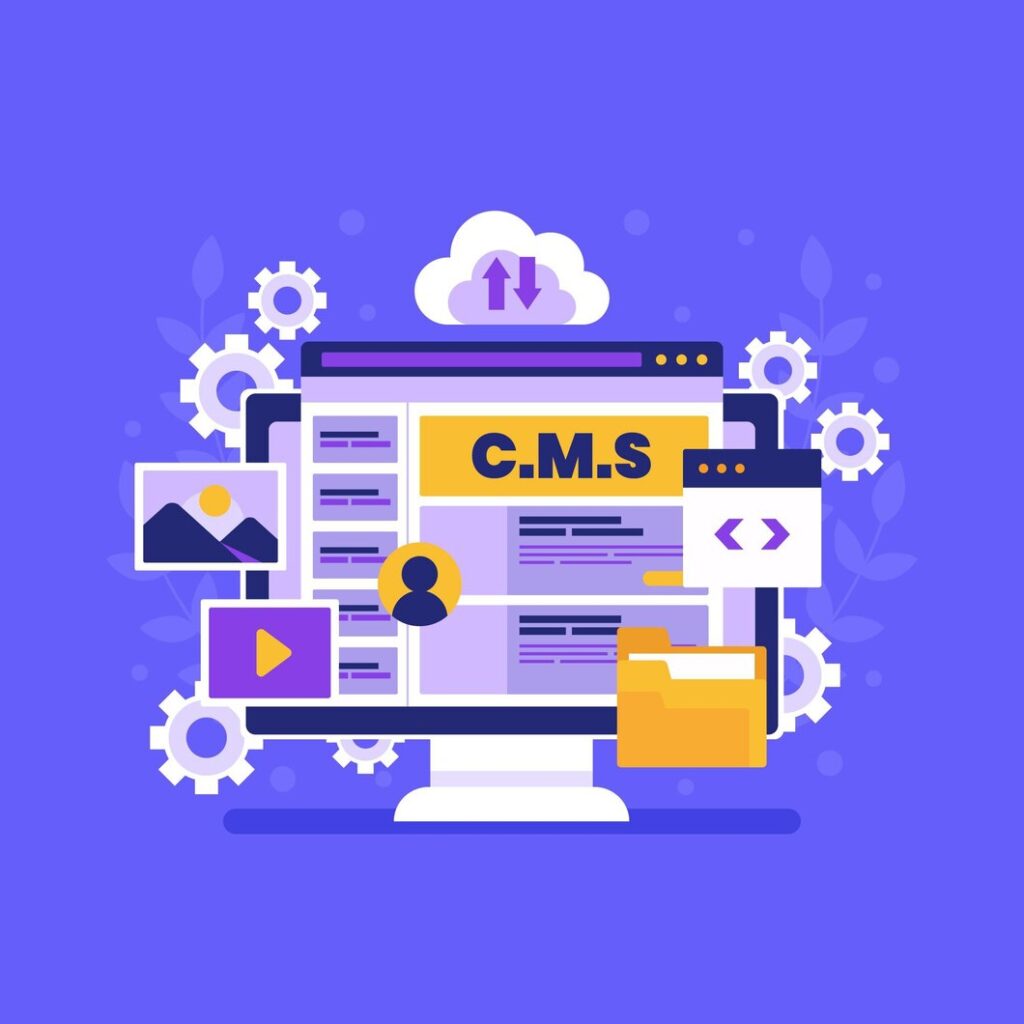
The technical foundation of a multilingual website determines whether the project succeeds at scale. Start with a CMS that supports multilingual publishing, role-based workflows, and structured content management. A flexible CMS makes it easier to maintain pages in multiple languages while preserving design consistency and reducing maintenance bottlenecks.
URL structure is another critical choice. Whether you choose subdirectories, subdomains, or country-code domains depends on your goals, resources, and market complexity. The best structure is the one that supports clean site architecture, strong crawlability, and easy management over time.
hreflang is one of the most important signals in a multilingual setup. Proper hreflang tags tell search engines which language and regional version of a page should appear for specific users. Without them, you risk sending visitors to the wrong page version or creating confusion across similar pages.
A clear language switcher should be easy to find, consistent on every page, and built for a smooth user experience. It should not rely only on flags, since flags can be misleading when multiple languages are used in one country. Instead, prioritize readable language labels and intuitive placement.
Technical planning should also support mobile-friendly browsing, fast performance, and stable indexing. When these elements work together, your multilingual website becomes easier for both users and search engines to navigate.
Content localization beyond translation
Translation is only the starting point. True international success depends on localization and stronger cultural adaptation so the message feels native in each market. This means adjusting examples, imagery, humor, date formats, units, regulatory references, and even the structure of a call to action.
Transcreation is especially valuable for marketing pages, landing pages, and brand campaigns. Instead of translating word-for-word, transcreation recreates the purpose and emotional impact of the original message. This approach protects brand voice while improving resonance with local audiences.
Tone of voice matters across languages. A page that sounds self-assured and accessible in English may need a more formal, expert-driven tone in another market. The right tone depends on culture, industry, and audience expectations. That is where strong editorial planning and local review become vital.
Sunstone Digital Tech201 E Jefferson St, Syracuse, NY 13202
(315) 758-3349
https://maps.app.goo.gl/LNcnKZaUXSqxHPoT8
https://sunstonedigitaltech.com/
43.0471862, -76.1504376
Visual localization is often overlooked, but it can dramatically affect engagement. Photos, icons, colors, layouts, and testimonial formats may need adjustments to reflect regional preferences and improve trust. Even subtle changes can strengthen local relevance and support better conversion rates.
In other words, multilingual content strategy should combine language, design, and market insight. The goal is not simply to be understandable; it is to feel credible, useful, and persuasive in each region.
AI experts and digital marketing in multilingual approach
AI experts are more and more key to multilingual website planning because they can speed up research, content processes, and optimization at scale. AI can help teams compare language variants, spot content gaps, organize keywords, and support faster draft creation. When used carefully, it improves automation without removing human editorial judgment.
In digital marketing, multi-language campaigns work best when content production and distribution are coordinated. Paid media, email, social content, and landing pages should all match the same market priorities. AI-assisted workflows can help teams customize offers, translate headlines, and improve content optimization based on real performance data.
For example, AI can support multi-language keyword mapping by analyzing search intent across regions. It can also help teams spot duplicate phrasing, inconsistent terminology, and translation gaps that weaken brand consistency. That spares time and improves quality, especially for organizations managing many pages or product categories.
AI is most valuable when guided by human oversight. Experienced editors, marketers, and translators still need to confirm nuance, ensure cultural accuracy, and protect brand voice. The best results come from combining AI efficiency with strategic review, strong governance, and clear workflows.
Frequent multi-language SEO mistakes to avoid
A common one of the most typical problems is allowing duplicate content to appear across translated versions. If translated pages are too closely matched or not well distinguished, search engines may have difficulty to identify which version to https://fulton-ny-hi786.novacrestiq.com/posts/in-what-ways-does-marketing-analytics-consulting-improves-roi-in-syracuse-ny rank. This hurts visibility and can create unnecessary competition between pages.
Canonical tags must also be handled carefully. They are helpful when pages are near-duplicates, but in multilingual environments, incorrect canonicals can tell search engines to ignore the wrong language version. That harms indexation and can keep important pages out of search results.
Another mistake is relying too heavily on machine translation without review. Machine translation may be quick, but it can miss context, tone, and cultural nuance. It may also introduce unnatural phrasing that damages trust and reduces the user experience.
Further issues include weak site structure, missing hreflang, untranslated metadata, and inconsistent terminology. These problems baffle search engines and users alike. A strong multilingual SEO plan should stop issues before launch, then monitor results regularly so the site remains healthy as it grows.
Evaluating results across linguistic markets and regions
Multilingual success should be tracked with specific analytics and language-specific standards. It is not sufficient to know whether the website is getting traffic overall. You need to see clearly how each market performs in terms of organic traffic, user interaction, and conversions.
Start by tracking organic performance by linguistic version and region. This makes it easier to reveal which pages are attracting the right audience and which ones need more optimization. Pay close attention to engagement metrics such as time on page, scroll depth, bounce rate, and navigation paths, because these signals show whether content is meeting search intent.
Conversion tracking is also important. A multilingual site should measure form submissions, quote requests, purchases, demo bookings, phone calls, and other key actions by market. That way, teams can compare which language versions generate the best lead generation results and where friction may occur.
When analytics are set up properly, they also support better decision-making around localization and content updates. Teams can discover opportunities to improve page copy, adjust offers, or refine the user experience in specific regions. Over time, this data-driven approach enhances performance and helps multilingual content scale more smoothly.
How Syracuse, NY businesses should consider
For companies in Syracuse, NY, multilingual web design is not only about reaching international customers. It can also support growth across Central New York, the broader Upstate market, and the Northeast region. Syracuse serves as a regional business hub, which means many local businesses are already connected to customers, partners, and suppliers with diverse language needs.
The area economy includes healthcare, education, manufacturing, and B2B companies, all of which may benefit from multilingual outreach. Healthcare organizations may need multilingual patient information. Universities and education providers often serve international students and families. Manufacturers and B2B firms may work with distributors, vendors, or buyers across borders. In each case, multilingual web design can improve accessibility, clarity, and trust.
Syracuse features a strong talent pipeline, supported in part by Syracuse University and the surrounding technology, design, and marketing community. That matters because multilingual projects require close cooperation between strategists, developers, content creators, and AI experts. Local talent can help businesses create scalable systems rather than single-use translations.
For Syracuse-area companies, the best approach is often to align multilingual planning with current growth goals. Some may start by serving neighborhoods and nearby communities with bilingual content. Others may target broader Central New York or Northeast audiences before expanding globally. In every case, the same fundamentals apply: strong SEO services, smart web design, localized content, and a scalable architecture that supports long-term growth.
FAQ
What is multilingual web design and why does it matter for global audiences?
Multilingual web design is the practice of building a website that offers content in more than one language with a structure that supports usability, SEO, and scalability. It makes a difference for global audiences because it improves user experience, builds brand trust, and helps more visitors understand and act on your message.
How do SEO services support multilingual websites?
SEO services help multilingual websites with site architecture, keyword strategy, hreflang implementation, indexation, and content optimization. They also ensure each language version is discoverable, aligned with search intent, and able to attract organic traffic in the right market.
What is the difference between translation and localization?
Translation changes text from one language to another. Localization goes further by adapting the content to the target market’s culture, tone of voice, expectations, and context. Localization may also involve transcreation, cultural adaptation, and visual localization to make the experience feel native.
Which technical elements are required for a multilingual website?
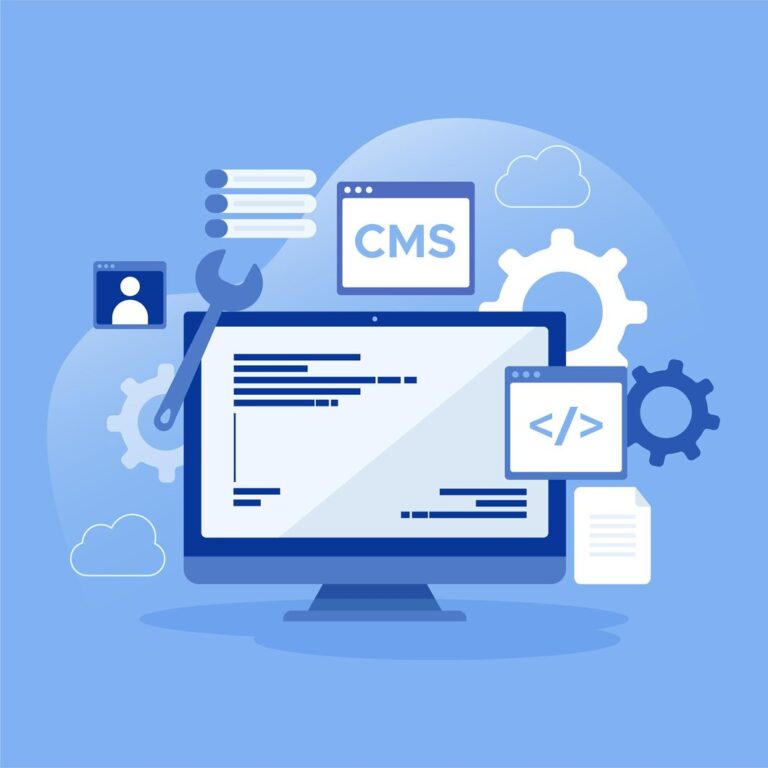
Key technical elements include a multilingual CMS, a clear URL structure, hreflang tags, a visible language switcher, proper canonical tags, and a site architecture that supports crawlability and indexing. These pieces help search engines and users navigate the website correctly.
How can Syracuse, NY businesses use multi-lingual web design to reach more potential customers?
Syracuse, NY businesses can use multi-lingual site design to support Central New York, the Northeast, and international markets more successfully. Local healthcare, education, manufacturing, and B2B companies can improve accessibility, expand lead generation, and connect with broader audiences through localized content and strategic digital marketing.